Bring Handmade Charm to Your Projects with Colored Pencil
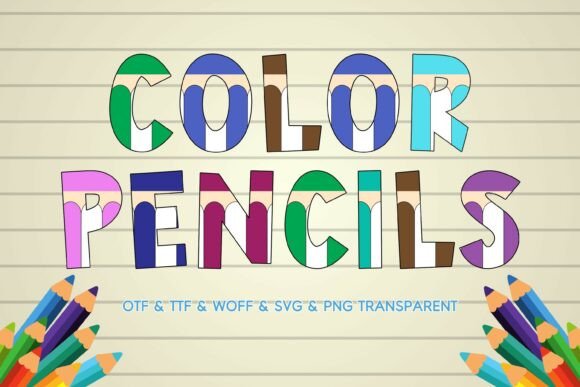
There’s a specific kind of warmth that comes from seeing a child’s artwork—those slightly uneven lines, the vibrant wax colors, and the pure joy of creating something by hand. In the world of digital design, where vectors are often too perfect and vectors can feel sterile, capturing that authentic, youthful energy is a powerful way to connect with an audience. Enter the Colored Pencil font, a typeface that doesn't just represent letters; it embodies the very texture and spirit of a coloring masterpiece. It’s not just a set of characters; it’s a digital artifact that brings the tactile experience of a classroom art project directly into your design workflow.
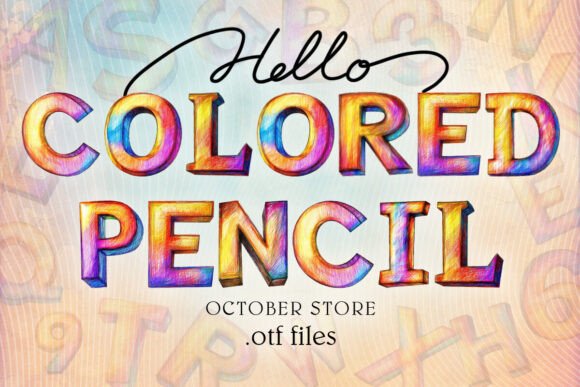
For designers and creators, this font is more than just a novelty. It’s a strategic tool for injecting personality and approachability into a brand. Imagine a children’s book cover where the title looks like it was personally crafted by a young reader, or a back-to-school campaign that feels genuinely fun rather than manufactured. The Colored Pencil typeface is an OpenType-SVG color font, meaning the letters themselves contain the rich, textured appearance of colored pencil strokes, complete with subtle grain and natural color variations. This isn’t a flat, single-color font; it’s a pre-rendered graphic that maintains its hand-drawn integrity at any size, making it a standout choice for projects where visual authenticity is key.
A Perfect Match for Education and Youthful Branding
When your target audience is children, parents, or educators, visual communication needs to feel trustworthy, engaging, and familiar. This is where the Colored Pencil font excels. Its aesthetic is instantly recognizable as something from a school environment—think bulletin board headers, classroom labels, and the vibrant pages of a student’s notebook. This makes it an exceptional asset for a wide range of applications:
- Educational Materials: Design workbook covers, chapter headings in study guides, or flashcards that feel inviting and less intimidating for young learners.
- Packaging & Products: Create packaging for children’s art supplies, snacks, or toys that stands out on the shelf with a handcrafted, playful look.
- Events & Invitations: Design birthday party invitations, school event flyers, or classroom awards that carry a personal, celebratory touch.
- Digital Presence: Use it for blog headers related to parenting, homeschooling, or creative tutorials, or in social media graphics that need to stop the scroll with genuine charm.
Unlike a standard handwritten font or a generic script font, this typeface carries the specific visual weight of colored pencils. It’s a premium font that solves a niche problem: how to achieve a high-quality, consistent "handmade" look without spending hours manually illustrating each letter. This consistency is crucial for brand identity, ensuring that every touchpoint—from a website banner to a printed poster—feels cohesive and intentional.
Practical Integration into Your Design Toolkit
Adopting a specialty font like this requires a bit of practical know-how to ensure it enhances, rather than overwhelms, your project. First and foremost, it’s vital to understand its nature as a color font. It is compatible with professional design software like Adobe Photoshop, Illustrator, and Silhouette, as well as the open-source Inkscape. However, it’s important to note that the standard OTF/TTF files are not compatible with cutting machines like Cricut, which is a key consideration for crafters and makers planning physical projects.
Because the font is inherently decorative and detailed, readability at small sizes can be a concern. It’s best used for headlines, titles, and short bursts of text rather than lengthy paragraphs. For body copy, pair it with a clean, highly readable sans serif font or a simple serif font. This contrast allows the playful nature of the colored pencil letters to shine without sacrificing the clarity of your message. When selecting pairings, choose typefaces that are understated—think a neutral geometric sans serif—to let the hand-drawn font be the star of the show.
From a branding perspective, this font can be a secret weapon for small businesses and entrepreneurs in the creative, educational, or family-focused sectors. It communicates values like creativity, care, and authenticity. A logo designed with this typeface immediately tells a story of hands-on craftsmanship. For a baker specializing in children’s cakes, a tutor, or a seller of handmade toys, it can form the cornerstone of a memorable and relatable visual identity.
Beyond the Classroom: Creative and Commercial Applications
While its roots are in education, the whimsy of the Colored Pencil font has broader applications. Think of indie game developers creating a storybook-style adventure, or a podcast for creatives using it for episode art. It can add a layer of nostalgic charm to editorial design, like a magazine feature on DIY culture or vintage toys. For digital products, such as printable planners, stickers, or motivational posters, it offers a ready-made aesthetic that feels personal and crafted.
When incorporating it into marketing assets, use it strategically. A social media graphic promoting a workshop will feel more approachable with this font than with a stiff corporate typeface. An email newsletter header for a family-oriented brand can use it to create an immediate emotional connection. The key is to match the font’s personality to the project’s goal. It’s not the right choice for a law firm or a fintech startup, but for anything that benefits from a touch of childhood wonder, it’s unparalleled.
Ultimately, choosing a font like this is about making a deliberate design choice to evoke a specific feeling. It’s a tool for storytelling. In a digital landscape saturated with sleek, minimal typography, the textured, imperfect beauty of the Colored Pencil typeface offers a refreshing and engaging alternative. It reminds us of the joy in simple creation, making it a valuable addition to any designer’s library of design assets for projects that need to speak directly to the heart.