Gemma: When Typography Becomes a Kaleidoscope of Color
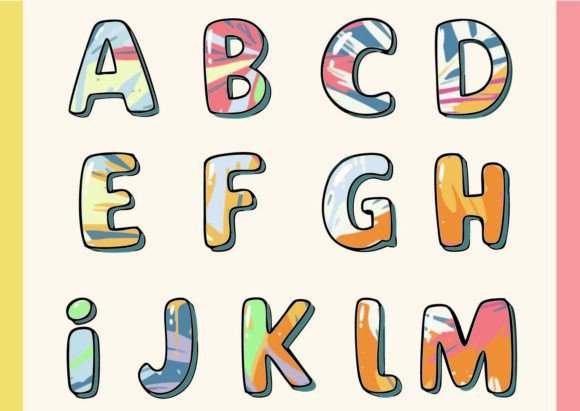
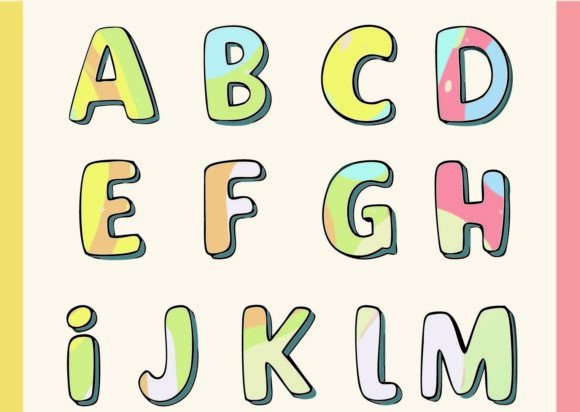
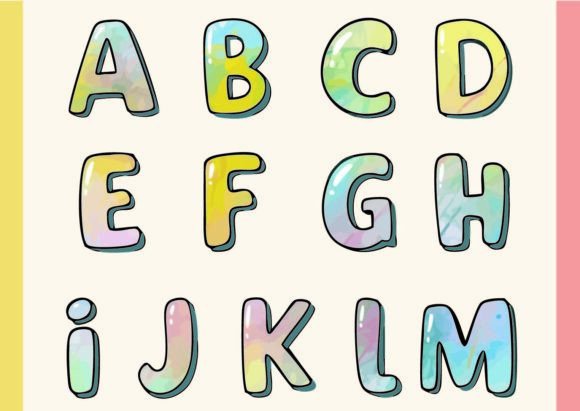
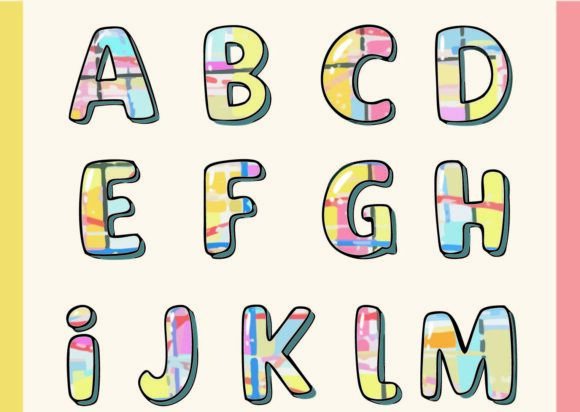
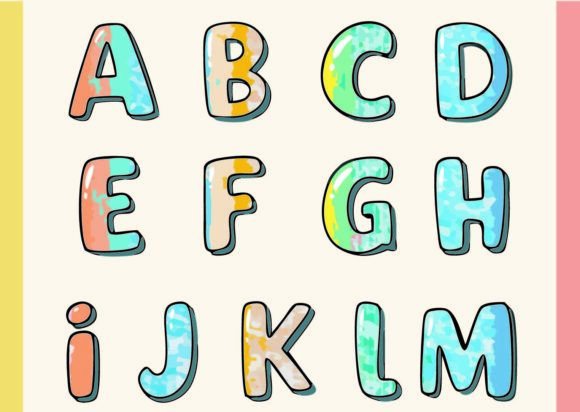
There are typefaces that whisper, and then there are those that sing. Gemma doesn't just sing—it performs a full-spectrum symphony. This isn't your typical font download. Imagine a collection of glyphs where every single letter, number, and symbol is a unique, vibrant composition. We're talking about a color font, a chromatic typeface where each character is built from its own distinct palette, transforming simple text into a gallery of miniature typographic paintings.
Beyond Monochrome: Understanding the Chromatic Shift
For decades, typography lived in a world of black and white. A font was a single color, a uniform weight. The rise of color fonts, specifically the OpenType-SVG format, changed the game entirely. Gemma is a prime example of this evolution. It's not just a set of shapes; it's a curated collection of illustrated art. Look closely at a single 'A' or 'G', and you'll discover intricate pathways, layered colors, and connections that tell a visual story. This complexity is its superpower. It allows for immediate visual impact that a standard serif or sans serif font simply cannot achieve.
This makes Gemma a fascinating tool for projects that demand a strong first impression. Think about the header of a website, the cover of a digital magazine, or the hero text on a product label. Where a conventional font might blend in, Gemma steps forward, adding a layer of artistic depth and a palpable sense of craftsmanship. It's a creative font designed for moments where you want your words to be seen, remembered, and admired.
Where Colorful Typography Truly Shines: Practical Applications
So, where does a font like Gemma fit into your design toolkit? Its utility is surprisingly broad, but it thrives in contexts where visual storytelling is key. Here’s how designers and creators are putting chromatic fonts to work:
- Brand Identity & Logo Design: A logo sets the tone for everything. Using Gemma for a wordmark or logo lockup can instantly communicate a brand's personality—playful, artistic, innovative, or luxurious. It’s perfect for lifestyle brands, creative agencies, boutique bakeries, or any business whose identity leans toward the expressive and unique.
- Editorial & Packaging Design: On a book cover or a product box, typography has to compete for attention. Gemma’s inherent artistry makes it an ideal choice for headlines, pull quotes, or featured titles. For a gourmet food label, a cosmetics package, or a special edition magazine, it adds a premium, handcrafted feel.
- Digital Marketing & Social Media: In a fast-scrolling feed, you have milliseconds to capture interest. A social media graphic or ad banner featuring Gemma’s vibrant glyphs is visually arresting. It can boost engagement by making posts feel more like curated art pieces than standard marketing messages.
- Invitations & Special Projects: Wedding invitations, event posters, and personal blogs benefit immensely from a touch of personality. Gemma can set a celebratory, whimsical, or sophisticated mood for your most important communications.
Pairing for Perfection: Making Gemma Work in a Layout
A display font as bold as Gemma requires a thoughtful companion. The goal is balance—letting its colorful personality shine without overwhelming the viewer or sacrificing readability for longer text. This is where font pairing becomes essential.
Think of Gemma as your lead vocalist. It needs a solid rhythm section to support it. For body text, choose a clean, neutral sans serif font or a highly readable serif font. A simple, geometric sans serif can provide a modern, clean counterpoint, while a classic serif can add a touch of elegance. The key is contrast in style, not competition in color. Let Gemma own the headlines, subheadings, and key call-outs. Use your paired font for paragraphs, descriptions, and smaller text where clarity is paramount.
Always test your pairings in context. Create a mock-up of your website header, your product label, or your social media post. See how the colors interact with your background and how the two typefaces feel together at actual size. This practical testing phase is non-negotiable for professional presentation.
Technical Considerations for Seamless Integration
Adopting a color font like Gemma is straightforward, but there are a few practical points to keep in mind to ensure a smooth workflow. First, confirm your software supports the OpenType-SVG format. The article notes compatibility with major design tools like Adobe Photoshop, Illustrator, and Inkscape, as well as Silhouette for crafters. This is crucial—always verify before you begin a project.
When you install Gemma, you'll likely receive both OTF and/or TTF files. The color information is embedded within the font file itself. In your design software, you'll typically find it listed in your font menu. Select it, type, and the color glyphs will appear. Remember that because each glyph is a complex vector image, file sizes can be larger than standard fonts. This is rarely an issue for modern systems but is worth noting for web use.
Regarding licensing, if you plan to use Gemma for commercial projects—a client's logo, merchandise for sale, or marketing materials—ensure you have the appropriate commercial license. Most premium font licenses cover this, but it's your responsibility to read and adhere to the terms provided by the creator. This protects both you and the font designer.
Unlocking Visual Consistency and Brand Recognition
While Gemma is a powerhouse of individuality, its consistent use across a brand’s touchpoints can forge strong recognition. Imagine a coffee shop using a specific, colorful glyph from Gemma as an icon alongside its name on cups, menus, and its website. That unique, artful 'G' or 'C' becomes a recognizable brand asset in itself.
This approach leverages the font's built-in variety for visual interest while maintaining a cohesive thread. You might use a full Gemma headline for major campaigns and then extract a single, signature glyph as a recurring decorative element. This strategy enhances brand identity without becoming repetitive, offering a sophisticated way to blend creativity with strategic branding.
In the end, a typeface like Gemma is more than a design asset; it's a catalyst for creativity. It challenges the conventional boundaries of typography, inviting designers, entrepreneurs, and creators to think of text not just as information, but as art. For the right project, its colorful heaven of complex, painted glyphs can elevate a design from simply functional to truly unforgettable. It’s a testament to how modern typography continues to evolve, offering new tools for visual communication that are as beautiful as they are useful.